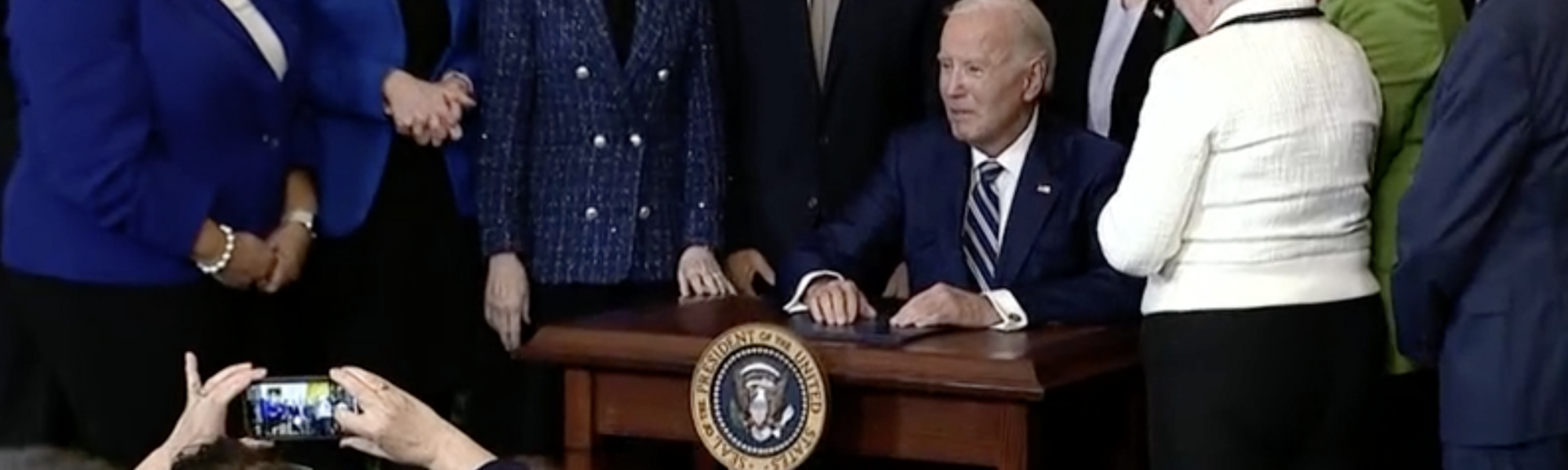
The Voting Rights Act of 1965 prohibited racial discrimination in voting by protecting voting rights. It banned poll taxes and literacy tests and required states with historians of Jim Crow discrimination to seek advance clearance before changing and requiring states with histories of Jim Crow discrimination to obtain advance clearance to change laws governing voting.
Although President Johnson had earlier admitted the former Confederate States of America, Congress refused to seat their congressional delegations until passing HR1058 along party lines.
President Reagan's nominee for Associate Justice of the Supreme Court, Robert Bork, found his nomination defeated in the Senate. His name subsequently became a verb, meaning 'to attack or defeat a nominee unfairly through an organized campaign of harsh public criticism or vilification'.
In 1971, Congress and President Nixon declared a national 'war on cancer', which established funding for 15 new cancer research centers.
After reports that the USS Maddox had been attacked by North Vietnamese naval vessels, the U.S. House of Representatives voted 422-1 to authorize military action in Vietnam. Eugene Siler was the loan 'Nay' vote.